
FAQ
An FAQ (Frequently Asked Questions) section is a dedicated part of a website that addresses common queries users may have about services, treatments, pricing, or policies. It helps visitors quickly find clear and concise answers, improving user experience, building trust, and reducing the need for direct inquiries. A well-structured FAQ section also supports SEO by targeting common search questions and increasing website visibility.
General Dentistry FAQs
What is general dentistry?
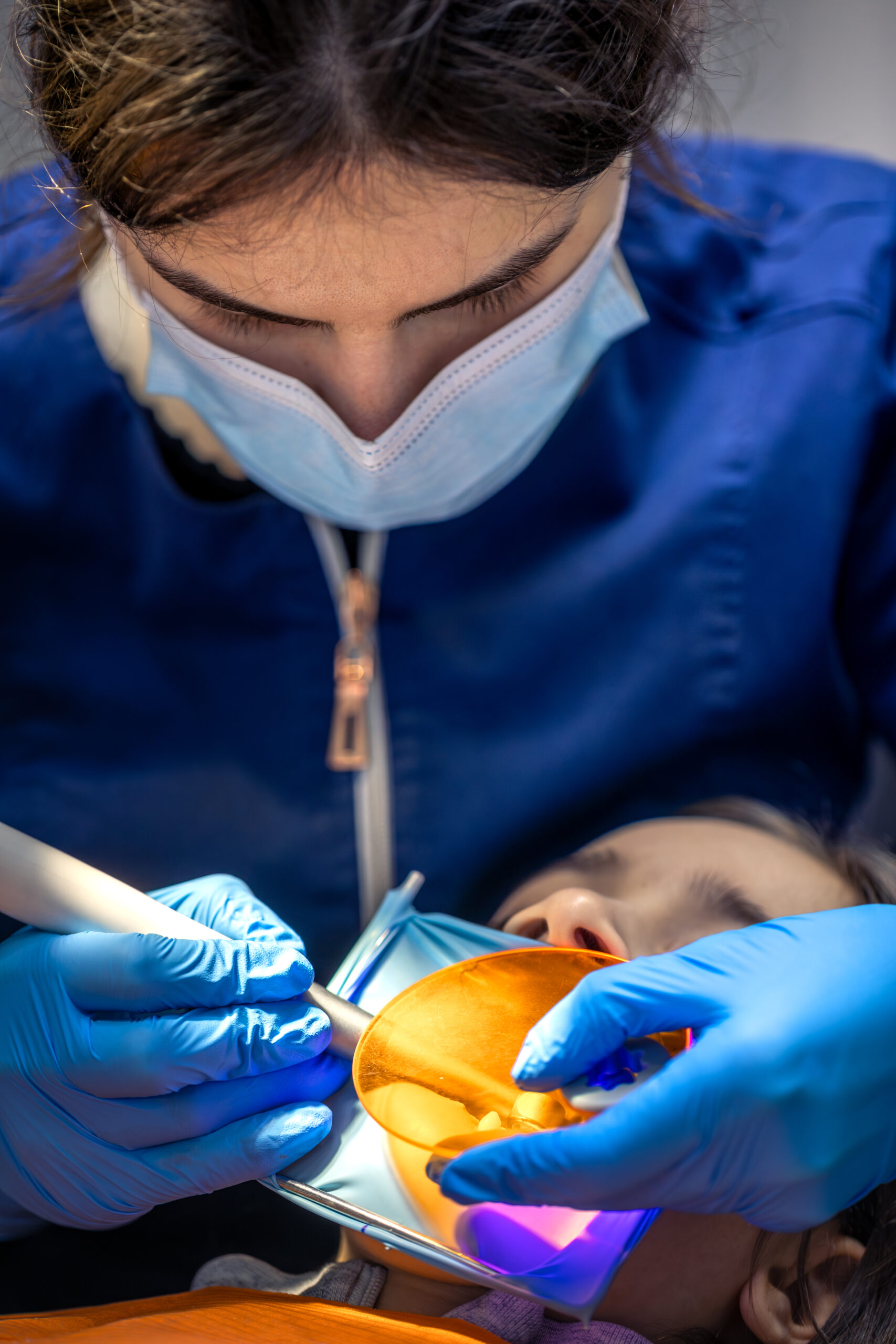
General dentistry focuses on maintaining your overall oral health through preventive, diagnostic, and restorative dental care. It includes routine dental check-ups, teeth cleaning, fillings, tooth extractions, gum care, and oral health education to help prevent dental problems before they become serious.
How often should I visit a dentist?
Most dentists recommend visiting every six months for a routine dental examination and professional teeth cleaning. Regular check-ups help detect cavities, gum disease, and other oral health issues early, reducing the need for complex treatments.
Why are regular dental check-ups important?
Regular dental check-ups help identify problems such as tooth decay, gum disease, oral infections, and even early signs of oral cancer. Preventive dental care keeps your teeth and gums healthy while helping you avoid costly and extensive treatments in the future.
What happens during a routine dental check-up?
During a routine dental check-up, the dentist examines your teeth, gums, tongue, and mouth for signs of cavities, plaque buildup, gum disease, and other oral health concerns. Professional teeth cleaning, digital X-rays (if needed), and personalized oral hygiene advice may also be provided.
How can I maintain good oral hygiene at home?
Maintain good oral hygiene by brushing your teeth twice daily with fluoride toothpaste, flossing once a day, using an antibacterial mouthwash if recommended, eating a balanced diet, limiting sugary foods and drinks, and visiting your dentist regularly for preventive care.
When should I see a dentist immediately?
You should see a dentist immediately if you experience severe toothache, swelling of the gums or face, bleeding that doesn’t stop, a broken or knocked-out tooth, dental trauma, or signs of infection such as pus or fever. Prompt treatment can prevent complications and preserve your oral health.
Cosmetic Dentistry FAQs
What is cosmetic dentistry?
Cosmetic dentistry focuses on improving the appearance of your teeth, gums, and smile while maintaining oral health. Common cosmetic dental treatments include teeth whitening, dental veneers, smile makeovers, tooth-colored fillings, dental bonding, and gum contouring.
Who is a good candidate for cosmetic dentistry?
Anyone with healthy teeth and gums who wants to improve the appearance of their smile may be a good candidate for cosmetic dentistry. It can help correct stained, chipped, uneven, misaligned, or misshapen teeth. A consultation with a cosmetic dentist can determine the most suitable treatment.
What cosmetic dental treatments are available?
Cosmetic dentistry offers a variety of treatments, including professional teeth whitening, porcelain veneers, composite bonding, smile makeovers, dental crowns, clear aligners, gum contouring, and tooth-colored restorations. The right treatment depends on your dental needs and smile goals.
Is cosmetic dentistry safe?
Yes. Cosmetic dentistry is safe when performed by a qualified and experienced dentist. Modern dental materials and advanced techniques ensure effective, minimally invasive treatments that enhance your smile while preserving your natural teeth whenever possible.
How long do cosmetic dental treatments last?
The lifespan of cosmetic dental treatments depends on the procedure and how well you maintain your oral hygiene. Teeth whitening may last several months to a few years, while veneers, crowns, and dental bonding can last many years with proper care and regular dental check-ups.
How do I choose the right cosmetic dental treatment?
The best cosmetic dental treatment depends on your smile goals, oral health, budget, and the condition of your teeth. During a consultation, your cosmetic dentist will evaluate your teeth, discuss your expectations, and recommend a personalized treatment plan to achieve a natural, confident smile.
Dental Implants FAQs
What are dental implants?
Dental implants are artificial tooth roots made of biocompatible titanium or zirconia that are surgically placed into the jawbone to replace missing teeth. They provide a strong foundation for dental crowns, bridges, or dentures, restoring both function and appearance.
Who is a suitable candidate for dental implants?
Most adults with one or more missing teeth, healthy gums, and sufficient jawbone density are good candidates for dental implants. If bone loss is present, procedures such as bone grafting may be recommended before implant placement.
Are dental implants painful?
Dental implant surgery is usually performed under local anesthesia, so patients experience little to no pain during the procedure. Mild discomfort, swelling, or soreness after surgery is normal and typically subsides within a few days with prescribed medication and proper care.
How long do dental implants last?
With proper oral hygiene, regular dental check-ups, and good overall health, dental implants can last 20 years or more, and in many cases, they can last a lifetime. The dental crown attached to the implant may need replacement after several years due to normal wear.
How long does the dental implant procedure take?
The complete dental implant process usually takes 3 to 6 months, depending on the patient’s oral health and healing time. This includes implant placement, osseointegration (bone healing), and the attachment of the final dental crown or prosthesis.
What are the benefits of dental implants?
Dental implants look, feel, and function like natural teeth. They improve chewing ability, speech, and smile aesthetics while preventing bone loss, maintaining facial structure, and protecting adjacent teeth. They are a durable and long-term solution for replacing missing teeth.
Root Canal Treatment (RCT) FAQs
What is Root Canal Treatment (RCT)?
Root Canal Treatment (RCT) is a dental procedure used to remove infected or damaged pulp from inside a tooth. The root canals are cleaned, disinfected, filled, and sealed to save the natural tooth, relieve pain, and prevent the spread of infection.
When do I need a root canal treatment?
You may need a root canal if you have severe tooth pain, prolonged sensitivity to hot or cold foods, swollen or tender gums, tooth discoloration, or a dental abscess. A dentist will examine your tooth and may recommend X-rays to confirm if RCT is necessary.
Is root canal treatment painful?
Modern root canal treatment is generally no more painful than getting a dental filling. With local anesthesia and advanced techniques, most patients experience little to no pain during the procedure. Any mild discomfort afterward can usually be managed with prescribed medications.
How long does a root canal treatment take?
A root canal treatment usually takes one to two appointments, with each session lasting about 60 to 90 minutes. The exact duration depends on the tooth’s condition, the number of root canals, and the severity of the infection.
How long does a tooth last after a root canal treatment?
A tooth treated with a root canal can last for many years or even a lifetime with proper oral hygiene, regular dental check-ups, and the placement of a dental crown when recommended. Good oral care helps protect the treated tooth from future damage.
Why is a dental crown recommended after a root canal?
A dental crown is often recommended after root canal treatment because the treated tooth may become weaker over time. A crown restores the tooth’s strength, protects it from fractures, and improves its appearance and chewing function, especially for back teeth.
Orthodontics (Braces & Aligners) FAQs
What is orthodontic treatment?
Orthodontic treatment is a specialized branch of dentistry that corrects misaligned teeth, bite problems, and jaw irregularities using braces or clear aligners. It helps improve your smile, oral health, chewing function, and overall dental alignment.
What is the difference between braces and clear aligners?
Traditional braces use metal or ceramic brackets and wires to gradually move teeth into the correct position, while clear aligners are removable, transparent trays that offer a more discreet and comfortable alternative for treating mild to moderate orthodontic issues.
Who is a good candidate for braces or clear aligners?
Children, teenagers, and adults with crooked teeth, gaps, overcrowding, overbites, underbites, crossbites, or other alignment issues may benefit from orthodontic treatment. A consultation with an orthodontist will determine the most suitable option based on your dental condition.
How long does orthodontic treatment take?
The duration of orthodontic treatment typically ranges from 12 to 24 months, depending on the complexity of the case, the type of treatment chosen, and how well the patient follows the dentist’s instructions. Some minor cases may be completed in a shorter time.
Are braces or clear aligners painful?
You may experience mild discomfort or pressure for a few days after braces are adjusted or when switching to a new set of aligners. This is a normal sign that your teeth are moving and usually subsides within a few days.
How do I care for my braces or clear aligners?
Maintain good oral hygiene by brushing and flossing regularly, avoiding hard or sticky foods if you have braces, cleaning your aligners daily, wearing aligners for the recommended 20–22 hours per day, and attending scheduled dental check-ups to ensure your treatment progresses as planned.
Gum Treatment (Periodontics) FAQs
What is periodontal (gum) disease?
Periodontal disease, also known as gum disease, is an infection of the gums caused by the buildup of plaque and bacteria around the teeth. If left untreated, it can lead to swollen or bleeding gums, gum recession, bone loss, and even tooth loss.
What are the common signs of gum disease?
Common symptoms of gum disease include bleeding gums while brushing or flossing, swollen or red gums, persistent bad breath, gum recession, loose teeth, pain while chewing, and increased tooth sensitivity. Early diagnosis and treatment can help prevent serious complications.
What treatments are available for gum disease?
Treatment depends on the severity of the condition. Mild gum disease can often be treated with professional teeth cleaning and improved oral hygiene, while advanced cases may require scaling and root planing (deep cleaning), laser gum therapy, periodontal surgery, or other specialized procedures.
Can gum disease be cured?
Gingivitis, the early stage of gum disease, can usually be reversed with professional dental care and good oral hygiene. Advanced periodontal disease cannot always be completely cured, but it can be effectively managed to stop further damage and preserve your teeth and gums.
Is gum treatment painful?
Most gum treatments are performed under local anesthesia to ensure patient comfort. You may experience mild soreness or sensitivity after the procedure, but this usually subsides within a few days and can be managed with prescribed medications and proper aftercare.
How can I prevent gum disease?
You can reduce your risk of gum disease by brushing your teeth twice a day, flossing daily, using an antibacterial mouthwash if recommended, avoiding tobacco products, maintaining a healthy diet, and visiting your dentist regularly for professional cleanings and routine dental check-ups.
Emergency Dental Care FAQs
What is considered a dental emergency?
A dental emergency includes severe tooth pain, a knocked-out or broken tooth, uncontrolled bleeding, facial swelling, a dental abscess, trauma to the mouth, or a lost filling or crown causing severe discomfort. These conditions require prompt dental attention to prevent further complications.
What should I do if my tooth gets knocked out?
If your tooth is knocked out, hold it by the crown (not the root), gently rinse it with clean water without scrubbing, and try to place it back into the socket if possible. If not, keep it in milk or saliva and visit a dentist immediately. Seeking treatment within 30 to 60 minutes offers the best chance of saving the tooth.
How can I manage a severe toothache before visiting the dentist?
Rinse your mouth with warm salt water, gently floss around the affected tooth to remove any trapped food, and take a dentist-recommended pain reliever if needed. Avoid placing aspirin directly on the gums and seek professional dental care as soon as possible.
What should I do if I have a broken or chipped tooth?
Rinse your mouth with warm water, save any broken tooth fragments if possible, and apply a cold compress to reduce swelling. Avoid chewing on the affected side and visit your dentist promptly to prevent further damage and restore the tooth.
Can a dental abscess be treated as an emergency?
Yes. A dental abscess is a serious infection that requires immediate treatment. Symptoms may include severe tooth pain, swelling, pus discharge, fever, or a bad taste in the mouth. Prompt treatment helps prevent the infection from spreading to other parts of the body.
When should I visit an emergency dentist?
You should visit an emergency dentist immediately if you experience severe or persistent tooth pain, uncontrolled bleeding, facial swelling, trauma to the teeth or jaw, a knocked-out tooth, or signs of a dental infection. Early treatment can relieve pain, save damaged teeth, and prevent more serious complications.
Cost & Payment FAQs
How much does dental treatment cost?
The cost of dental treatment depends on the type of procedure, the complexity of the case, the materials used, and your individual treatment needs. After a detailed examination, your dentist will provide a personalized treatment plan along with a transparent cost estimate.
Do you provide a treatment cost estimate before starting?
Yes. Before beginning any dental procedure, we provide a detailed consultation, explain the recommended treatment, and share a clear cost estimate so you understand the expected expenses and can make an informed decision.
What payment methods do you accept?
We accept multiple payment options, including cash, credit cards, debit cards, UPI payments, net banking, and other digital payment methods for your convenience. Please contact our clinic to confirm the available payment options.
Is dental treatment covered by health insurance?
Insurance coverage depends on your health insurance provider and policy. While some dental procedures may be covered under specific plans, cosmetic treatments are generally not included. Our team can assist you with the necessary documents for insurance claims where applicable.
Are there any hidden charges for dental treatments?
No. We believe in transparent pricing and explain all treatment costs before starting your procedure. If additional treatment becomes necessary during your care, we will discuss it with you and obtain your approval before proceeding.
Safety & Hygiene FAQs
How do you ensure patient safety during dental treatments?
Patient safety is our highest priority. We follow strict infection control protocols, use sterilized instruments, wear appropriate personal protective equipment (PPE), and maintain a clean, hygienic clinical environment to ensure safe and effective dental care.
Are your dental instruments properly sterilized?
Yes. All reusable dental instruments are thoroughly cleaned, disinfected, and sterilized using standard autoclave sterilization procedures. We follow recommended sterilization protocols to eliminate bacteria, viruses, and other harmful microorganisms before every patient.
Do you use disposable dental materials?
Yes. Wherever appropriate, we use single-use disposable items such as gloves, masks, suction tips, syringes, cups, and other consumables to minimize the risk of cross-contamination and maintain the highest standards of hygiene.
How do you prevent the spread of infections in your dental clinic?
We follow comprehensive infection prevention measures, including regular surface disinfection, instrument sterilization, hand hygiene, proper waste disposal, use of protective barriers, and strict compliance with established infection control guidelines.
Is it safe to visit the dental clinic for treatment?
Yes. Routine dental visits are safe when proper hygiene and infection control protocols are followed. Delaying necessary dental care can allow oral health problems to worsen, so regular check-ups and timely treatment are important for maintaining healthy teeth and gums.
What hygiene practices should patients follow before and after dental treatment?
Patients should brush and floss their teeth regularly, rinse their mouth if advised by the dentist, follow all post-treatment care instructions, take prescribed medications as directed, and attend scheduled follow-up appointments to promote proper healing and maintain good oral health.
Appointment & Location FAQs
How can I book an appointment at your dental clinic?
You can book an appointment by calling our clinic, filling out the appointment form on our website, sending us a WhatsApp message, or visiting the clinic in person. Our team will help you schedule a convenient date and time for your consultation.
Do I need to book an appointment before visiting the clinic?
While walk-in patients are welcome based on availability, we recommend booking an appointment in advance to minimize waiting time and ensure your preferred dentist is available.
Where is your dental clinic located?
Our dental clinic is conveniently located in Barasat, West Bengal, making it easily accessible for patients from Barasat and nearby areas. Please visit our Contact Us page or use Google Maps for the exact address and directions.
What are your clinic's working hours?
Our clinic operates during scheduled business hours on weekdays and selected weekends. Please contact us or check our website and Google Business Profile for the latest consultation timings and holiday schedules.
Do you provide emergency dental appointments?
Yes. We offer emergency dental appointments for urgent conditions such as severe toothaches, dental injuries, knocked-out teeth, broken teeth, swelling, or infections. We recommend calling us immediately so we can arrange the earliest available appointment.
Is parking available near your dental clinic?
Yes. Parking facilities are available near the clinic for the convenience of our patients. If you need assistance with directions or parking information before your visit, our team will be happy to help.
Why Choose Us
High Quality Set-up
Ensures accurate diagnostics and reliable treatment outcomes
Unmatched Expertise
Experienced dentists delivering advanced and trusted care
Precise Result
Advanced technology and techniques for exact, predictable results
Qualified Staff
Well-trained, patient-friendly team focused on safety and comfort